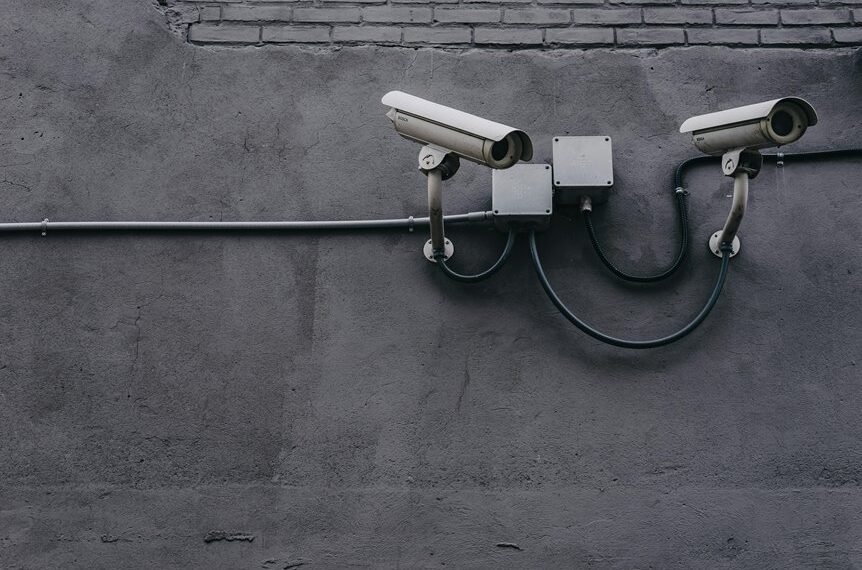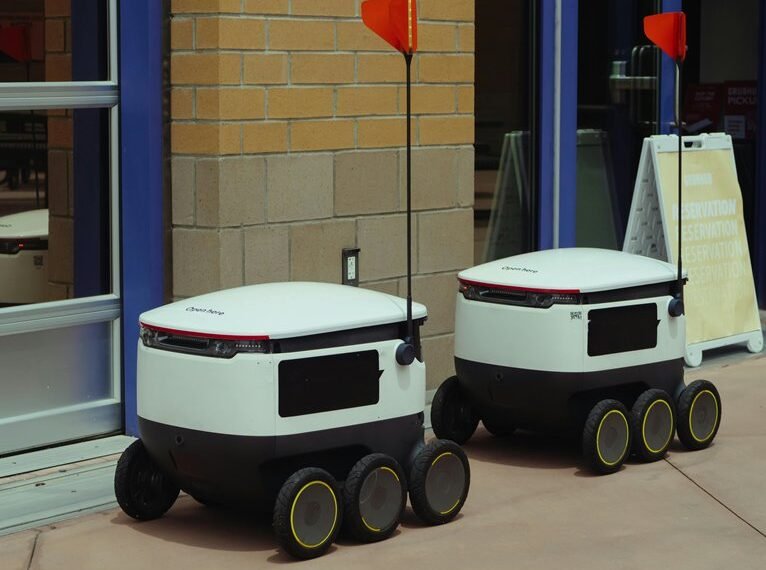
Smart tech infrastructure plays a crucial role in urban development but presents notable security challenges. The interconnected nature of these systems increases exposure to cyber threats. Key vulnerabilities, such as weak encryption and inadequate access controls, can jeopardize personal data and city operations. Exploring effective strategies for securing this infrastructure is vital. What measures can be implemented to enhance resilience and protect individual freedoms while fostering technological advancement? The answers may redefine urban security paradigms.
Understanding the Risks of Smart Tech Infrastructure Security
How vulnerable is smart tech infrastructure to emerging threats?
The integration of smart technologies amplifies risks, particularly concerning data privacy and cyber threats. As interconnected systems collect vast amounts of personal information, they become prime targets for malicious actors.
Proactive measures are essential to safeguard infrastructure, ensuring that privacy is protected while maintaining the freedom individuals cherish in an increasingly digital landscape.
Key Vulnerabilities in Smart City Systems
As cities increasingly adopt smart technologies to enhance efficiency and improve quality of life, they inadvertently expose themselves to a range of vulnerabilities that can compromise both security and functionality.
Key issues include data breaches stemming from inadequate encryption and poorly secured interfaces, alongside system vulnerabilities that arise from outdated software and weak authentication protocols.
Addressing these concerns is essential for safeguarding urban environments.
Best Practices for Securing Smart Infrastructure
While the integration of smart technologies offers significant benefits to urban infrastructure, it also necessitates a comprehensive approach to security that addresses the unique challenges posed by interconnected systems.
Implementing robust access control measures and ensuring data encryption are fundamental practices.
These strategies not only protect sensitive information but also enhance the resilience of smart infrastructure against potential threats, promoting a safer urban environment.
Future Trends in Smart Tech Security and Protection
The ongoing evolution of smart infrastructure security is increasingly influenced by emerging technologies and changing threat landscapes.
AI advancements enhance predictive capabilities, enabling proactive threat detection, while IoT integration fosters seamless communication among devices, improving overall security.
As these innovations develop, stakeholders must remain vigilant, adapting strategies to counteract potential vulnerabilities and ensuring the protection of individual freedoms within interconnected environments.
Conclusion
In conclusion, as smart tech infrastructure becomes increasingly integrated into urban life, addressing security vulnerabilities is paramount. A startling statistic reveals that 60% of cities lack adequate cybersecurity measures, leaving them exposed to potential breaches. By adopting best practices such as robust encryption and stringent access controls, urban planners can significantly mitigate risks. As technology evolves, proactive security strategies will be essential to safeguard both the functionality of smart cities and the personal freedoms of their inhabitants.